
Welcome to our pre-school website.
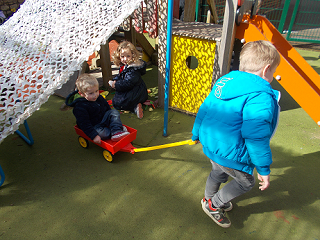
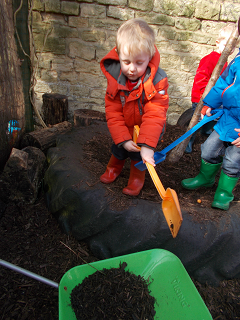
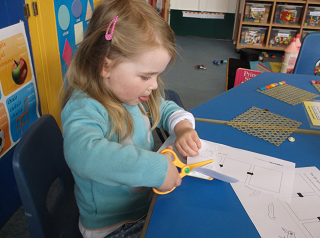
Based in the heart of the town in The Olney Centre, Olney Pre-School is a warm and welcoming environment where your child learns and develops through play. Olney Pre-School comprises a warm and welcoming Two Year Olds Room (opened in September 2023) and a bright and stimulating Pre-school Unit for three and four year olds. Our catchment area mirrors that of Olney Infant Academy, encompassing Olney and surrounding villages. We understand that choosing the right setting for your child is an important decision, so we strive to create a fun yet challenging environment where children are happy and supported to learn through play.
We are currently looking at our intake for September 2026. If you are looking for a space for then or beyond, please get in touch and we can add your child(ren) to our waiting list – please note that if spaces are limited, priority is given to those children already on the waiting list who live within Olney and the surrounding villages.